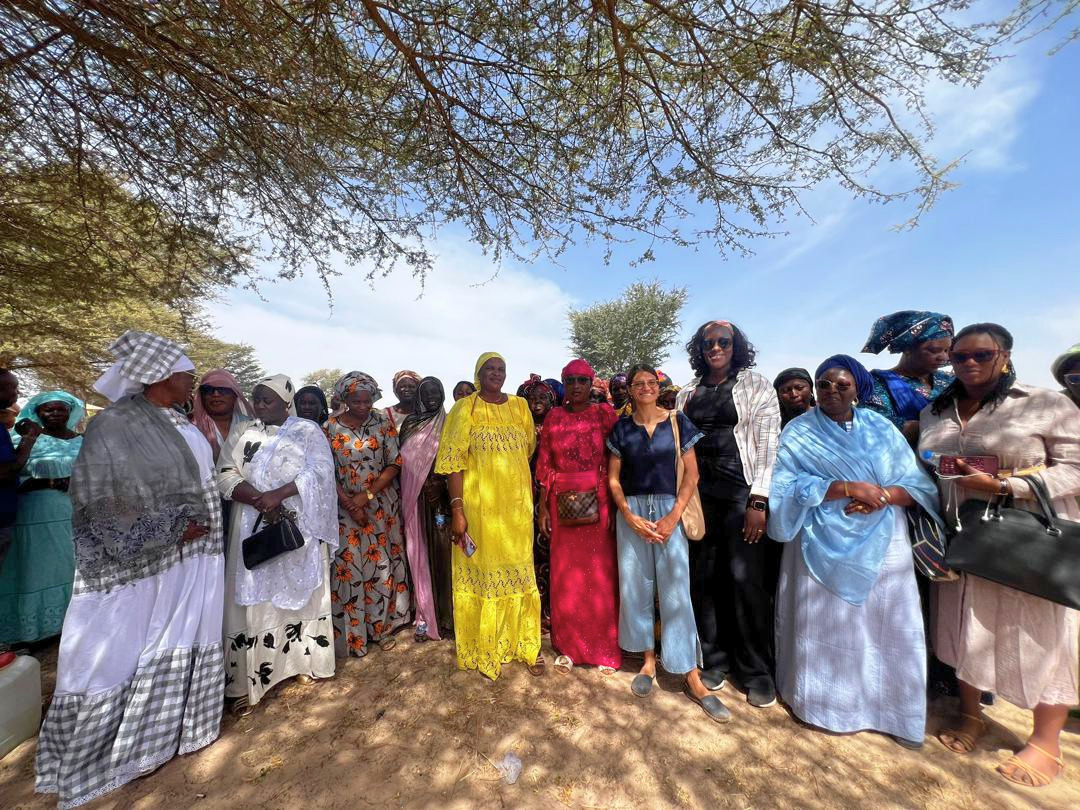
In Chad, approximately 16% of children have never received a single dose of a vaccine. This situation is not due to a lack of vaccines or insufficient commitment from health workers. Rather, it reflects the limitations of existing planning tools in addressing on-the-ground realities: villages that become inaccessible depending on the season, nomadic populations in constant movement, and areas where available maps no longer accurately represent local dynamics.
These children are referred to as “zero-dose.” The communities they belong to share a common characteristic: persistent invisibility within planning systems. From one vaccination campaign to the next, the same gaps recur, largely because tools capable of anticipating and identifying these areas in advance have been lacking. This is precisely the challenge Vacci360 seeks to address.
A launch grounded in national leadership
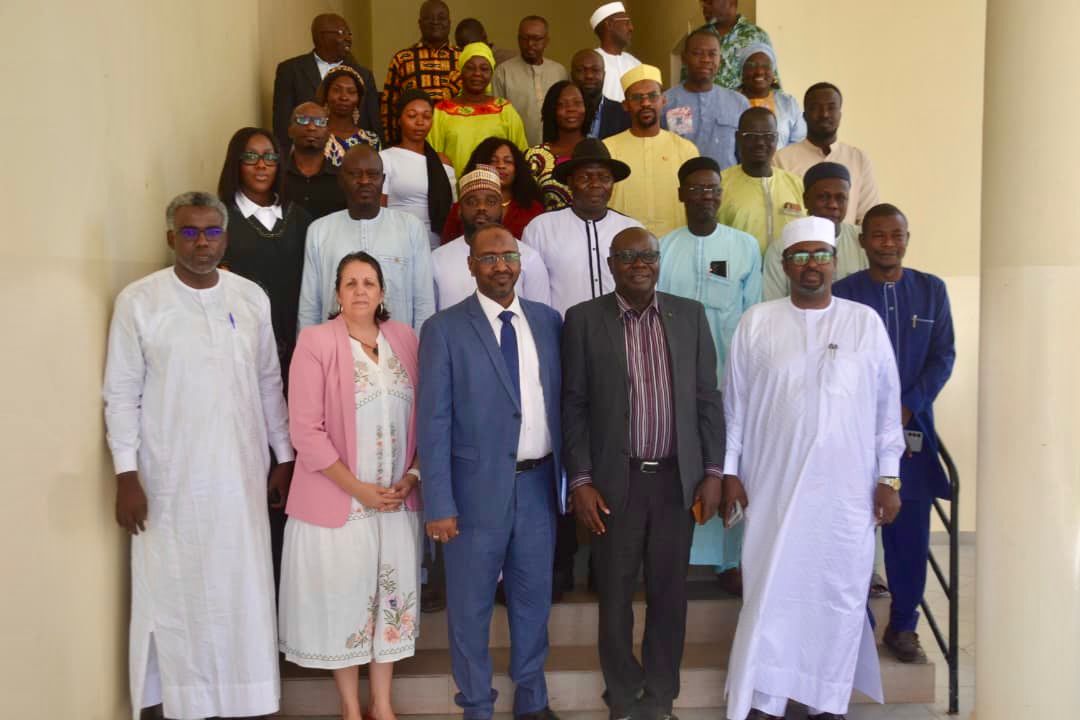
On April 2, 2026, in N’Djamena, Chad’s Ministry of Public Health and Prevention officially launched the pilot phase of Vacci360, a vaccination micro-planning platform developed by the Community Innovation Hub (CIH) in partnership with GDI Advisors, with support from the Gates Foundation and coordination with RISP, WHO, and UNICEF.
This launch does not represent the introduction of an external tool imposed on a local context. Rather, it is aligned with national strategic priorities, including the National Immunization Strategy 2026–2030 and Chad’s Accelerated Development Plan 2025–2027, both of which place vaccine equity and digital health sovereignty at the center of their objectives.
The project is led by the Directorate for Disease Control, Immunization, and Environmental Health (DLMVSE), ensuring that Chadian health teams remain at the core of its implementation.
What Vacci360 does in practice
Vacci360 does not replace health professionals or their decision-making capacity. Instead, it provides an advanced analytical layer integrated into the national health data system (DHIS2), transforming fragmented and underutilized data into actionable insights.
The platform is built around four main components:
Geographic accessibility
Vacci360 models real travel times to each locality, taking seasonal variations into account. This enables early identification of hard-to-reach areas, preventing gaps that are often only discovered during campaign implementation.
Micro-plan optimization
The platform automatically generates routes for mobile teams based on realistic data, reducing unnecessary travel and preparation time. Tasks that previously required extensive manual calculations can now be completed in minutes.
Inclusion of mobile populations.
In a context shaped by significant nomadic communities, Vacci360 incorporates mobility indicators to identify optimal vaccination windows. This approach is governed by strict ethical safeguards to protect population privacy.
AI-supported decision-making.
A conversational assistant allows health managers to query complex datasets in natural language, facilitating the identification of priorities, feasible routes, and underserved populations.
Three provinces, contrasting realities
The pilot phase focuses on three priority provinces within RISP: Hadjer Lamis, Kanem, and Lac, each characterized by distinct vaccination challenges.
Penta3 coverage data highlights these differences:
- Hadjer Lamis — 51%: low coverage, significant geographic and seasonal constraints
- Kanem — 62%: vast territory, dispersed population, limited accessibility
- Lac — 80%: relatively high coverage, but persistent pockets of zero-dose populations, particularly in pastoral mobility zones
For each province, Vacci360 tailors its analyses to local conditions, demonstrating the potential of intelligent micro-planning to deliver context-specific solutions.
Strategic significance for Community Innovation Hub
For Community Innovation Hub, Vacci360 reflects a vision of technology as a driver of equity rather than an end in itself. As the team explains:
“Vacci360 does not replace decision-making by health teams. It synthesizes complex information to support informed decisions that ultimately improve child survival.”
The issue of zero-dose children in Chad has never been solely about vaccine supply; it has been rooted in systemic challenges related to planning, visibility, and last-mile access. Vacci360 was designed to address these structural gaps in close collaboration with field actors.
The pilot phase will run from March 2026 to March 2027. Its findings are expected to inform the scalability of this model by combining geospatial analysis, integration with national systems, and strengthened human expertise, both within Chad and beyond.
For more info on Vacci360 and Community Innovation Hub programs: www.communityinnovation-hub.org Media inquiries: Aminata Talla — aminata.talla@communityinnovation-hub.org