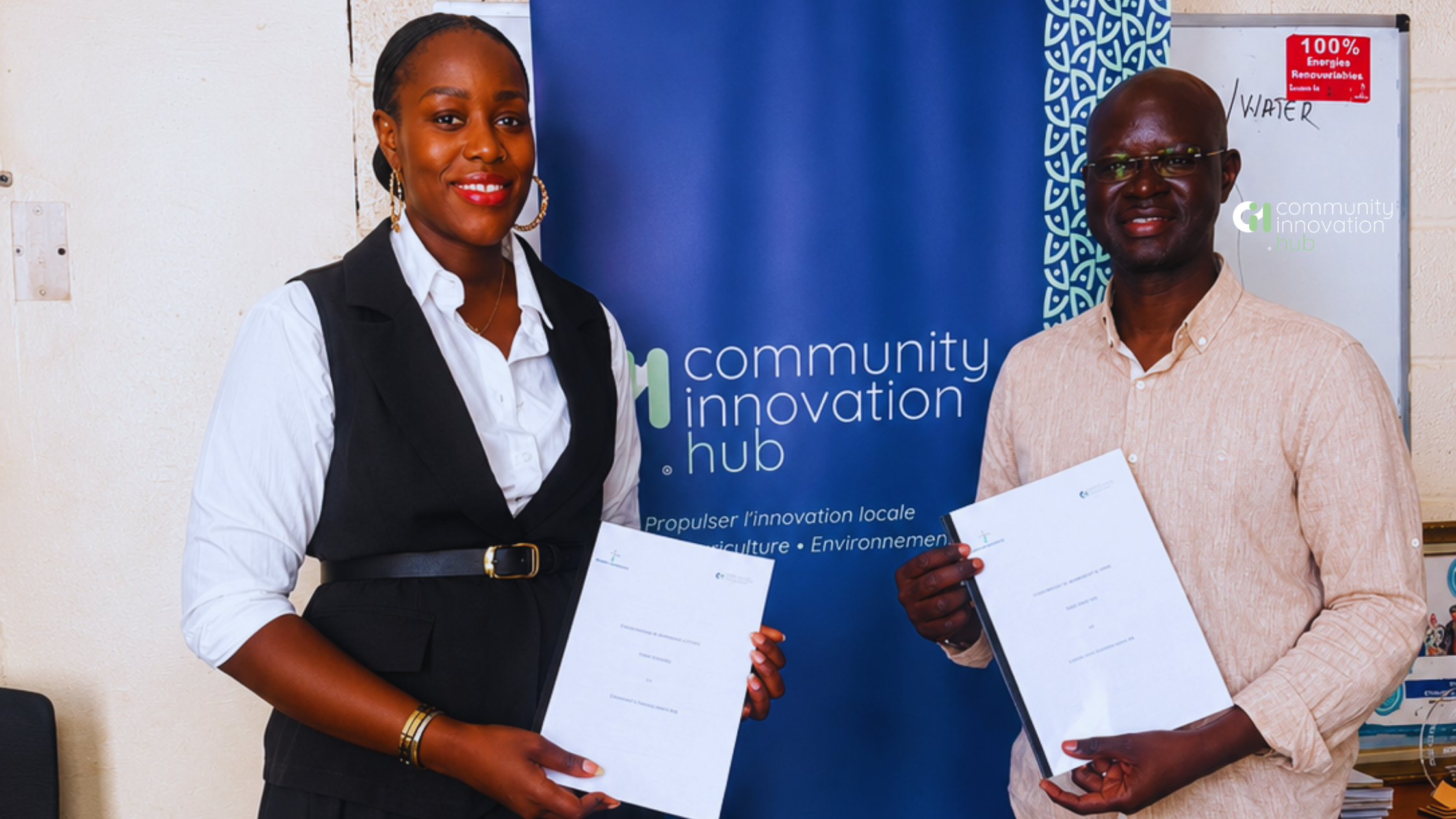
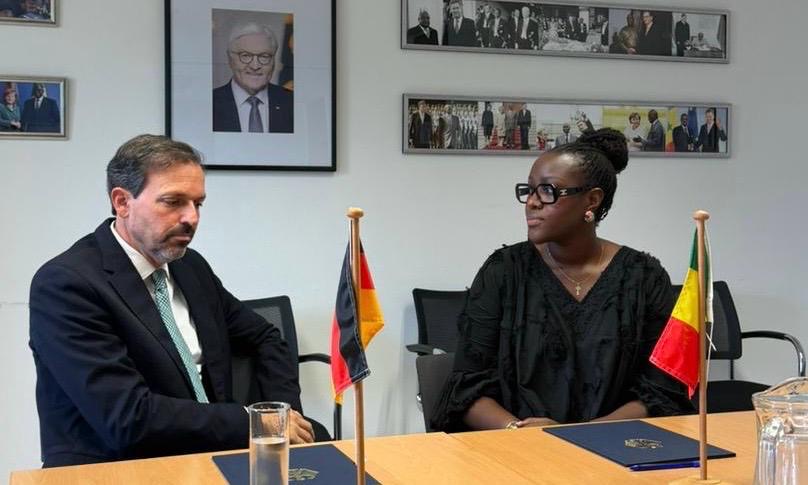
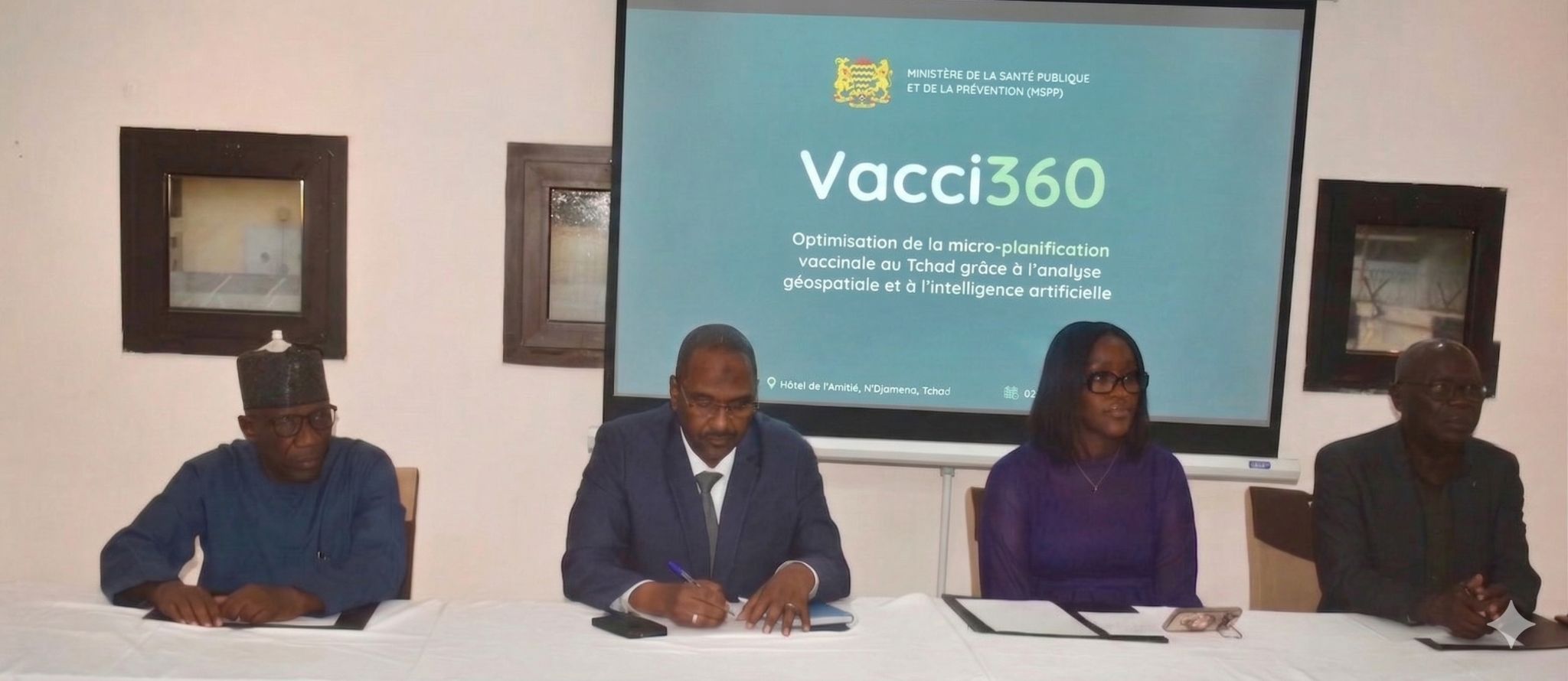
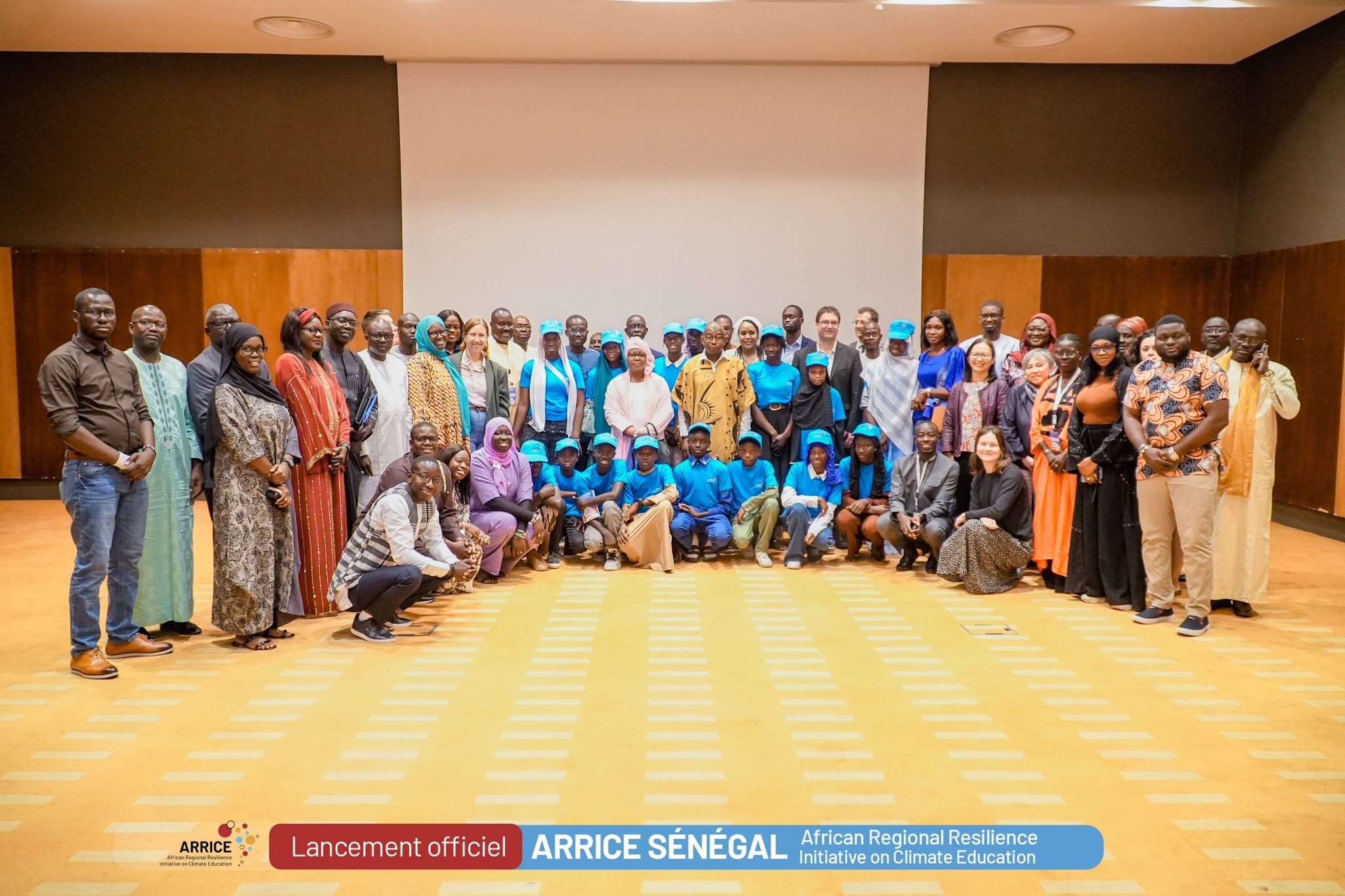
The Community Innovation Hub (CIH) and ENDA Energie officially launched, on June 23, 2026, their partnership as part of the ARRICE project, Africa Regional Resilience Initiative on Climate Education, a four-year initiative (2024–2028) coordinated by the Office for Climate Education (OCE/UNESCO), active in Senegal, Kenya, and Mauritius. This memorandum of understanding marks far more than an administrative formality. It reflects a clear positioning: CIH will not join this project as a technical service provider at the end of the chain, but as a co-builder, from the earliest stages of content design.
A project born from a continental observation
Africa is one of the continents most exposed to the effects of climate change, even though it contributes only marginally to global emissions. Faced with this reality, ARRICE is built on a wager: that schools can become engines of climate resilience, provided the education offered is rooted in local realities, delivered by trained and well equipped teachers, and designed to move students from knowledge to concrete action.
In Senegal, local implementation of the project has been entrusted to ENDA Energie, an NGO that is a member of the international Enda Tiers Monde network, whose expertise in climate resilience, policy advocacy, and community development makes it a central partner in the initiative. The project is now entering its phase of content creation and educational resource development, through working groups in which CIH will fully participate.
Starting from the Senegalese context, not an imported model
During preparatory discussions between the two organizations’ teams, one point quickly became clear: the existing educational resources from the ALEC project led by OCE in Latin America cannot simply be transposed to Senegal as they are. The Minister of National Education himself highlighted this. A superficial adaptation will not be enough. The work must start from the country’s cultural and linguistic realities, its school cycles, age groups, and students’ living contexts.
The project targets five regions, namely Dakar, Saint-Louis, Kédougou, Fatick, and Ziguinchor, with twenty five pilot schools spanning primary through secondary levels. The initial phase focuses on urban areas for logistical reasons, but the work will also extend to rural areas, including schools without electricity or internet access. This choice imposes a non negotiable constraint: offline content will be essential.
A digital strategy designed for local realities
CIH’s contribution to the project will not be limited to digitizing existing resources. The ambition is to produce interactive, engaging tools, designed from the outset for two distinct contexts. An online version will first be developed and refined during the pilot phase in urban areas. It will then be adapted into offline formats for subsequent phases, in rural areas where connectivity remains limited or nonexistent.
This progressive approach reflects a requirement CIH raised from the very first meetings: not to treat digitalization as a final step, but as a component integrated from the start of content design, in service of its relevance and accessibility.
From knowledge to action: student agency at the center
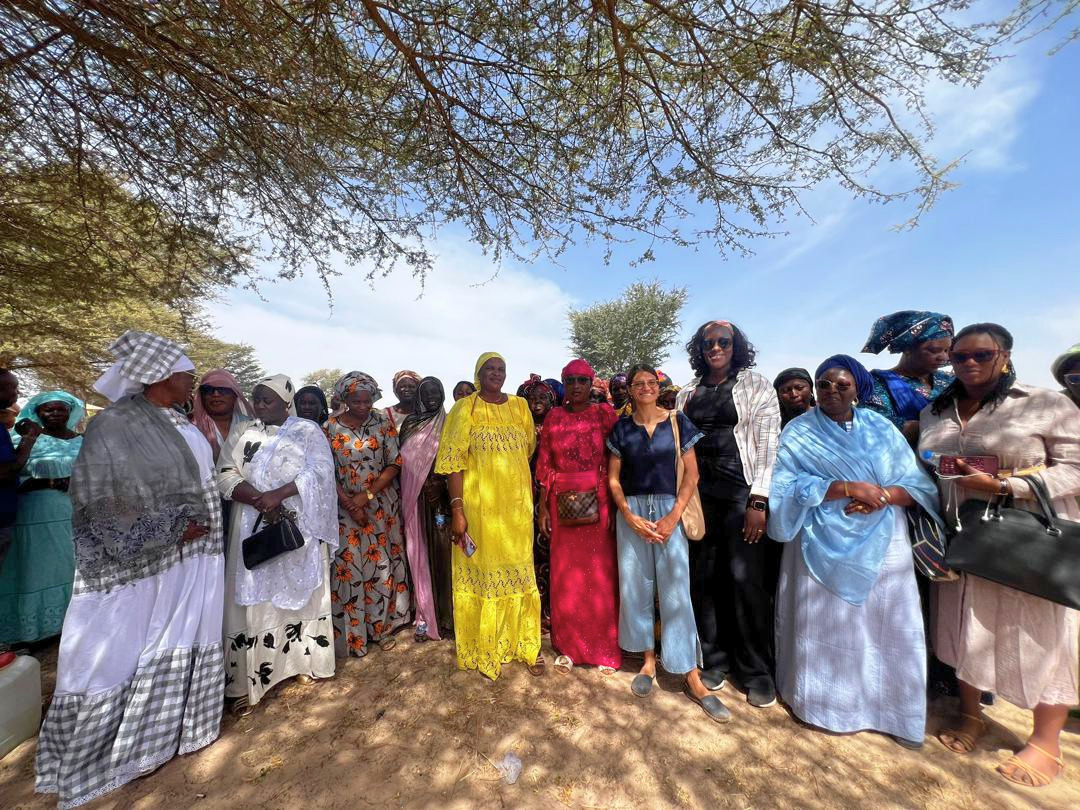
What sets ARRICE’s ambition apart from a conventional environmental education project is the emphasis placed on student agency. The goal is not only to convey knowledge about climate change. It is to support the shift from understanding to concrete action: school projects, environmental clubs, community initiatives led by young people themselves.
The digital tools CIH will help develop must support this shift, through playful mechanisms, systems for tracking actions carried out by students, and formats that turn learners into actors. This is the logic behind the vision championed by ENDA Energie and shared by CIH: schools as spaces for transformation, not just transmission.
What this partnership means for us
For the Community Innovation Hub, joining ARRICE means extending a conviction: innovation only has value if it responds to real needs, is rooted in local contexts, and strengthens the capacities of the people who are its first beneficiaries. This partnership gives CIH the opportunity to help build a climate education model adapted to Senegal, one that could potentially be replicated across West Africa as the project expands.
Through this collaboration, CIH reaffirms its commitment to connecting digital innovation, local knowledge, and systemic impact, in service of communities and institutions better equipped to face tomorrow’s challenges.