The Community Innovation Hub and the German Embassy Formalize Their Partnership Around AgriFemmes Labs Khombole.
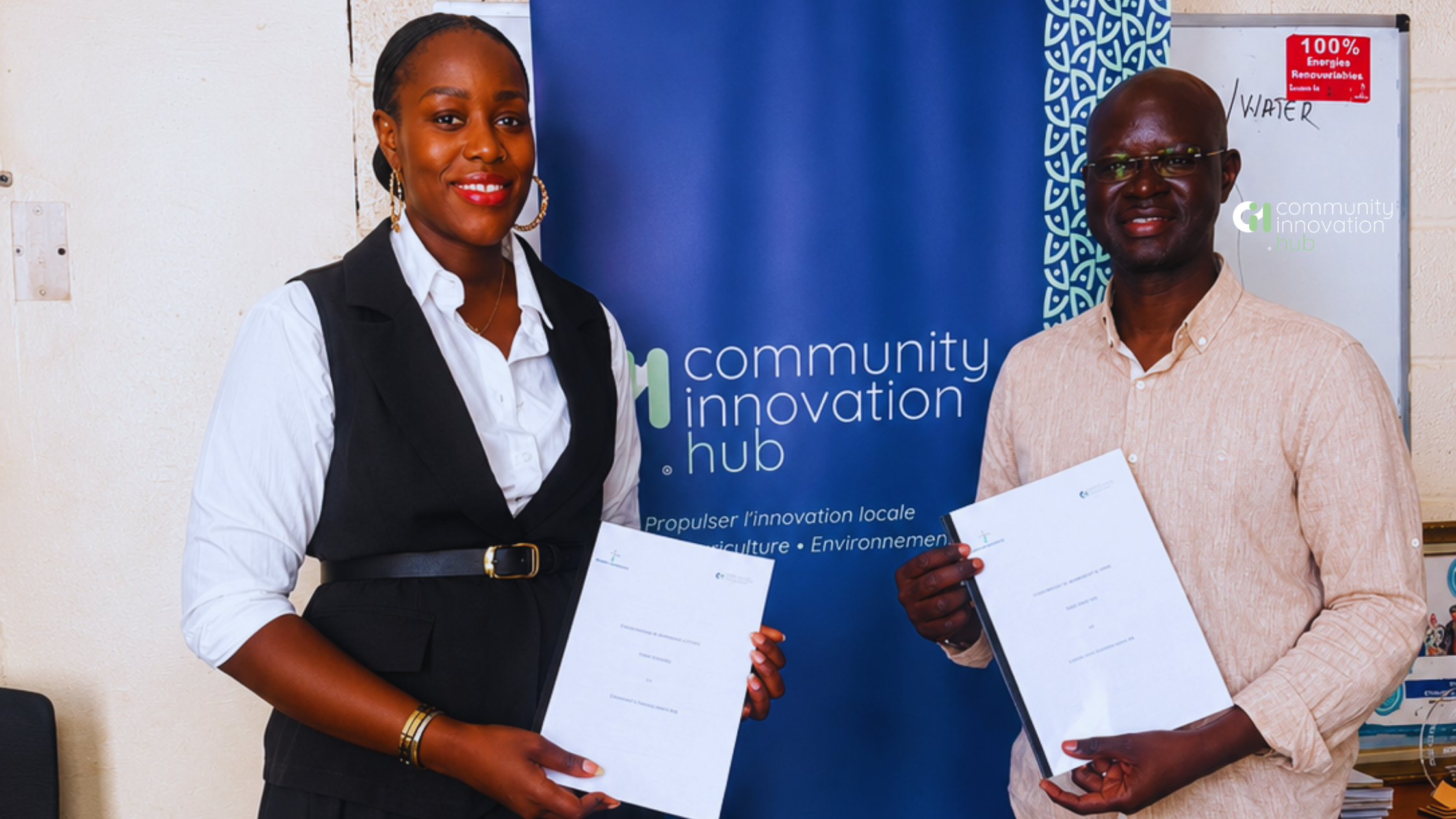
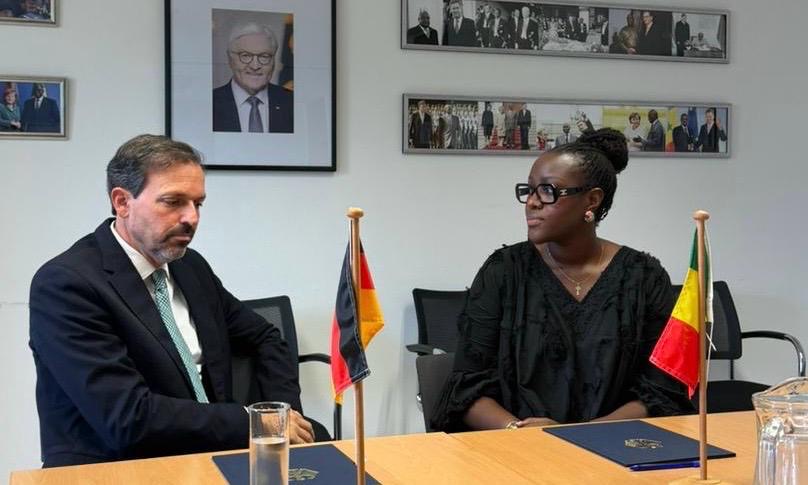
On Thursday, May 21, 2026, the Community Innovation Hub (CIH) signed a grant agreement with the Embassy of the Federal Republic of Germany in Senegal as part of the implementation of AgriFemmes Labs Khombole, an initiative dedicated to strengthening agricultural production led by women through infrastructure rehabilitation, capacity building, and the testing of innovation solutions adapted to local realities.
This signing marks an important milestone for a project rooted in a simple belief: innovation only has meaning when it addresses concrete needs, strengthens local capacities, and improves the conditions in which communities organize themselves, produce, and make decisions.
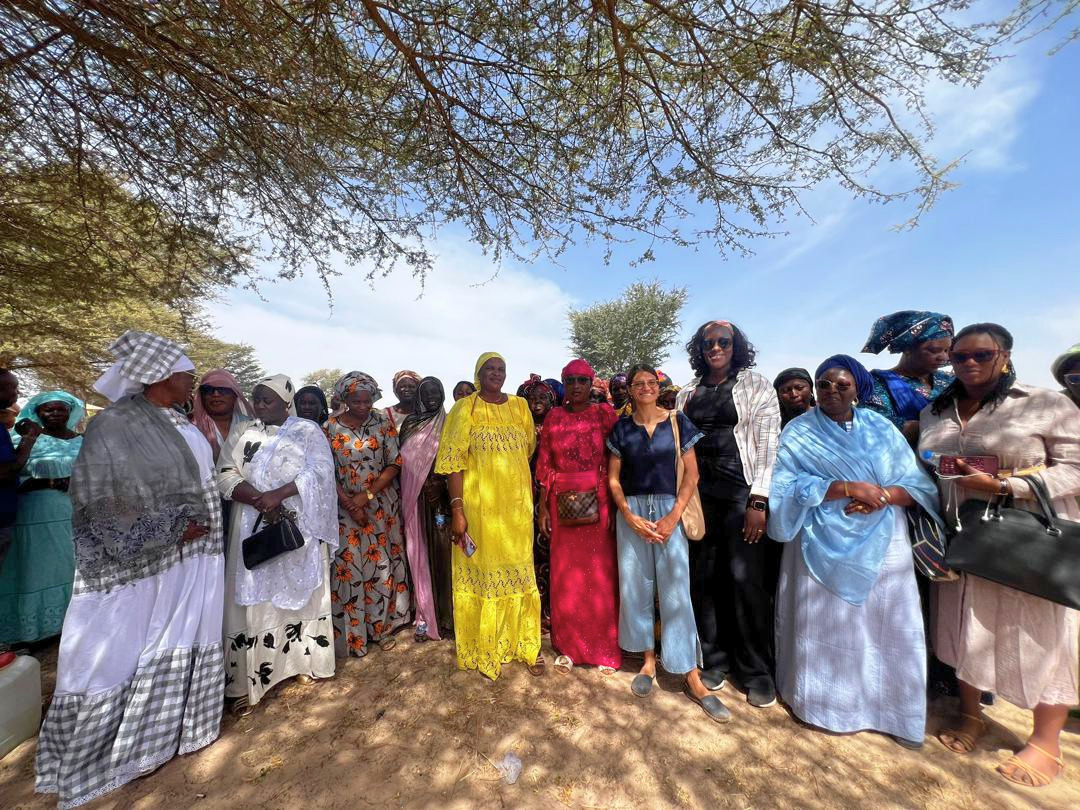
In Khombole, women farmers are already producing, organizing collectively, and contributing to the local economy despite significant challenges. Among the issues identified is the deterioration of the existing drip irrigation network, which limits irrigation efficiency, increases the burden of manual labor, and reduces the productive potential of the plots managed by the cooperative.
Thanks to the support of the German Embassy, the project will help restore this system to optimal working condition, notably through repairing leaks, replacing damaged sections, and improving irrigation consistency.
AgriFemmes Labs Khombole will also include a capacity-building component led by the Community Innovation Hub, focusing on agricultural planning, the use of simple digital tools for cooperative management, and women’s leadership in decision-making spaces. This aspect is essential to ensure that investment in infrastructure is accompanied by the skills, governance practices, and ownership needed for sustainable use.
A pilot phase will also make it possible to test, on a limited section of the site, a prototype smart irrigation system developed by female engineering students from the Dakar American University of Science and Technology (DAUST). This experiment will help observe how locally developed technology can contribute to more efficient, more consistent, and less labor-intensive irrigation for women farmers.
The project therefore brings together partners with complementary roles: the German Embassy, which among/between other things, provides financial support for rehabilitating the irrigation system; the CIH, which oversees coordination and capacity building; the DAUST students, who designed the smart irrigation prototype; and the Khombole Agricultural Cooperative, whose active engagement remains central to the project’s implementation, learning process, and long-term sustainability.
For the CIH, this initiative goes beyond simply repairing equipment. It is part of a broader effort to build a practical model of community-based agricultural innovation, where women farmers are not seen merely as beneficiaries, but as actors, users, testers, and co-owners of the solutions introduced.
As the United Nations has declared 2026 the International Year of Women Farmers, AgriFemmes Labs Khombole aligns with a global movement recognizing the central role of women in agri-food systems. At the local level, the project translates this recognition into concrete action: improving production conditions, strengthening collective capacities, and supporting more resilient, autonomous, and inclusive agriculture.
Through this initiative, the CIH reaffirms its commitment to connecting local knowledge, institutional partnerships, and practical innovation solutions in service of stronger and more resilient communities.